
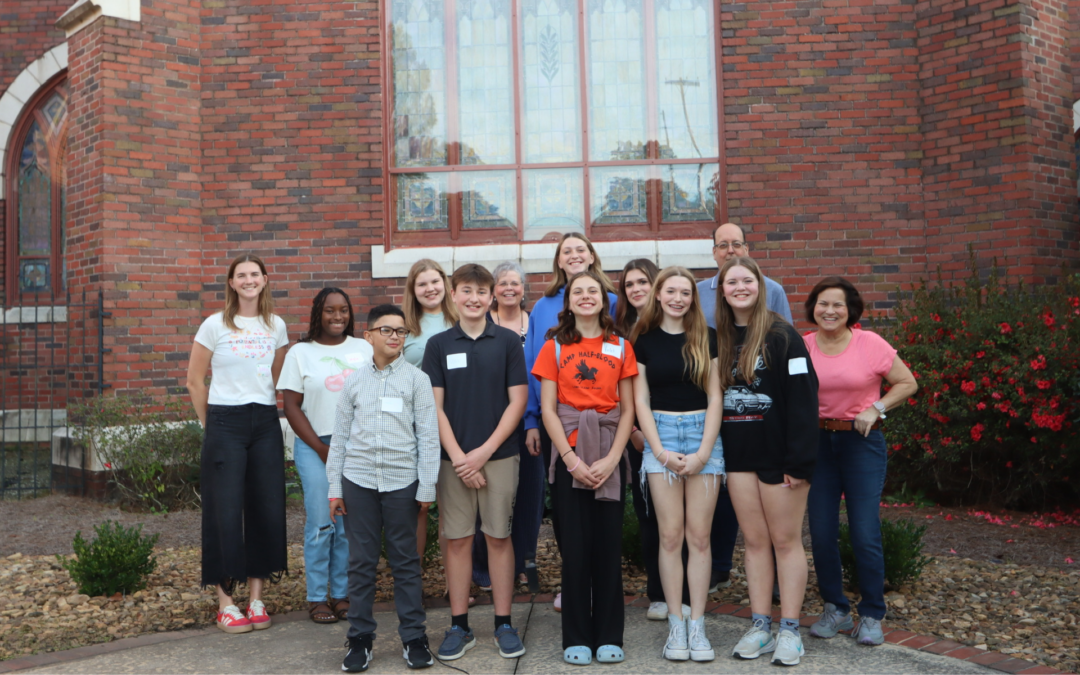
LYNC-ing up with the Youth
Meet downtown Lincolnton’s newest cross-denominational youth group.
Story by Rich Green
Photography by Brian Thompson
On any given day, Lincolnton residents have plenty of options to stay busy. Families can point toward Charlotte for big-city attractions or head west to the Blue Ridge Parkway and western North Carolina for a change of scenery. The city’s motto—“Near the City. Near the Mountains. Near Perfect.”—captures that sense of possibility.
But closer to home, a different kind of opportunity has been taking shape for local families with children.
Recognizing a need for safe, wholesome programs that blend fellowship and character-building, several downtown church leaders took matters into their own hands. The result: Lincolnton Youth Neighborhood Community, or LYNC—a collaborative, year-round program designed to nurture youth and strengthen community ties across Lincolnton.
As new restaurants, shops and cultural events continue to add to the energy of “L-Town,” many of those offerings naturally cater to adults. LYNC was created to ensure young people are part of that growth, too.
Unlike traditional church youth programs that often operate seasonally or for short periods, such as Vacation Bible School or holiday events, LYNC was designed from the ground up as a year-round organization.
“LYNC rose out of the desire from several downtown churches to have a program for youth and children,” says the Rev. Sarah Underwood, pastor at First United Methodist Church. “And to do it in cooperation with one another so we could have a larger, stronger group and reach more young people.”
By sharing resources and talent, leaders quickly realized they could offer more activities, and sustain them longer, than any one church could alone. The idea grew out of a cooperative Vacation Bible School program involving Methodist and Presbyterian staff, which served as a test bed for the model. Its success became the catalyst for LYNC.
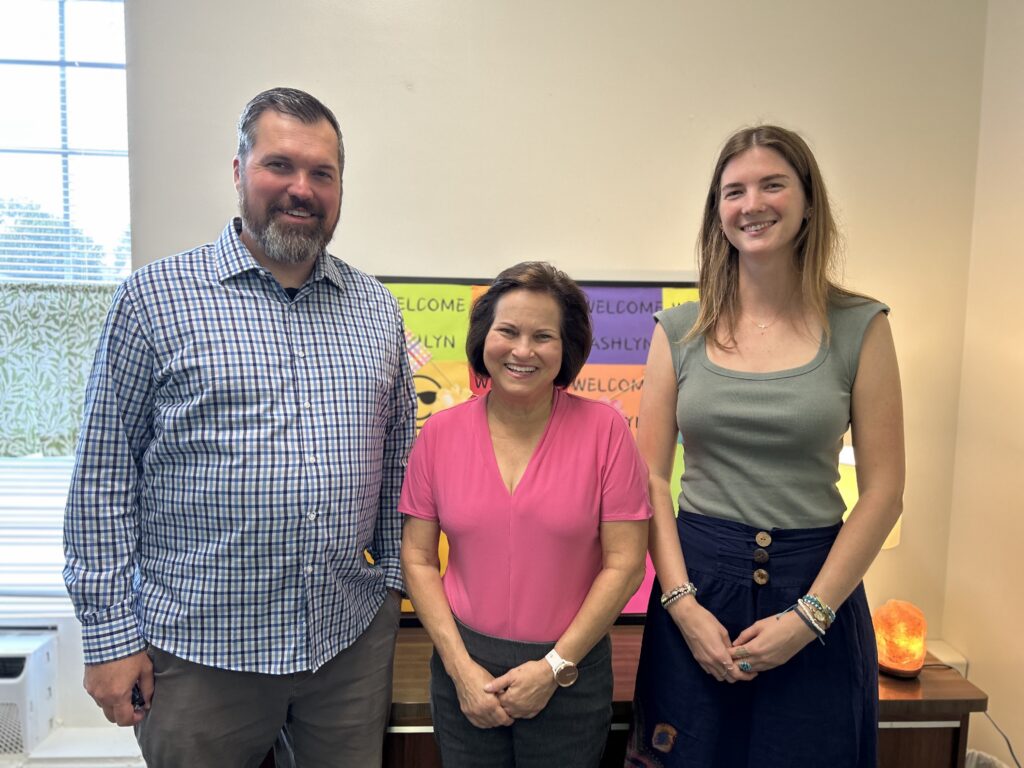 “We started having conversations about what it might look like to do more together and form some sort of coalition,” says Reed Conley, organizing pastor at Artisan Church. “That led us down the road of brainstorming what that might look like. We were all pretty excited about being able to share in the discipling of our children and youth together.”
LYNC officially launched in May 2025, driven by the energy and commitment of its leadership team. Becky Chambers was appointed as the program’s first director and helped guide its initial rollout before stepping away to pursue her own ministry. In August, Ashlyn Rhyne came on board as program director.
Today, participating churches include Artisan Church (Presbyterian), St. Luke’s Episcopal Church, The Church of Our Savior, Woodside (Episcopal), Emmanuel Lutheran Church, Holy Cross Lutheran Church, and First United Methodist Church, all located in Lincolnton. The leadership team reflects that diversity and in addition to Underwood and Conley, includes the Rev. Elizabeth “Liz” Tester, priest-in-charge at St. Luke’s Episcopal Church and The Church of Our Savior, Woodside; Judy Lewis Drysdale, pastor at Emmanuel Lutheran Church; Chad Walker, pastor at Holy Cross Lutheran Church; and Robbie Combs, director of ministries at First United Methodist Church.
One of LYNC’s most distinctive features is its multi-denominational makeup. Rather than viewing those differences as obstacles, leaders see them as a strength.
“People with different faith traditions coming together ought to be something we celebrate and show our kids is possible,” Conley says. “What’s novel about LYNC is that we don’t hide the fact that we’re from different denominations. We saw a way we could work together and be a model of unity for our community.”
That cooperative spirit emerged in part from challenges faced by churches during the COVID-19 pandemic, which accelerated declining attendance, particularly among younger populations. Instead of operating independently or competing for limited resources, LYNC was intentionally built around shared Christian values rather than denominational distinctions.
“What seemed like a negative because of the COVID situation…something very positive has come out of it,” says Underwood.
 The volunteer shared that a child in the program, Kyrie, was the reason she decided to pursue teacher education. The volunteer first met Kyrie years earlier while serving as a teacher cadet in his classroom.
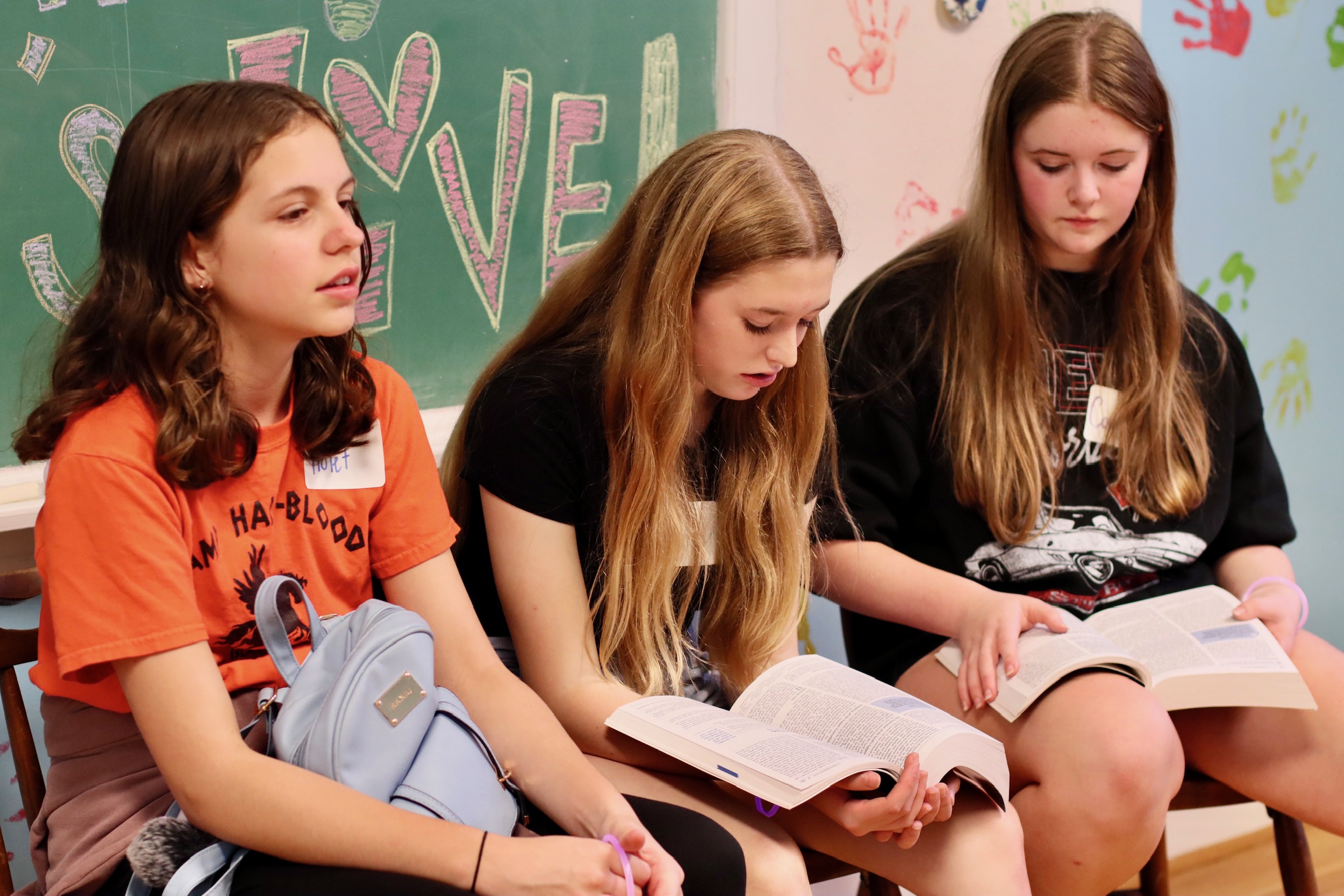
The program now offers regular gatherings where school-age youth come together for activities, fellowship and a shared meal provided by the host church of the week. Hosting responsibilities rotate among participating congregations, giving students the opportunity to experience each church in its own space while spreading both financial and staffing responsibilities. The result is a low-cost program for churches that is free to families.
LYNC leaders hope the model could serve as a blueprint for other communities.
Along with funding and staffing considerations, leaders were intentional about defining the program’s purpose and its impact on participants. That sense of purpose has already revealed itself in meaningful ways. Rhyne recalls a recent conversation with an adult volunteer that underscored the program’s impact across generations.
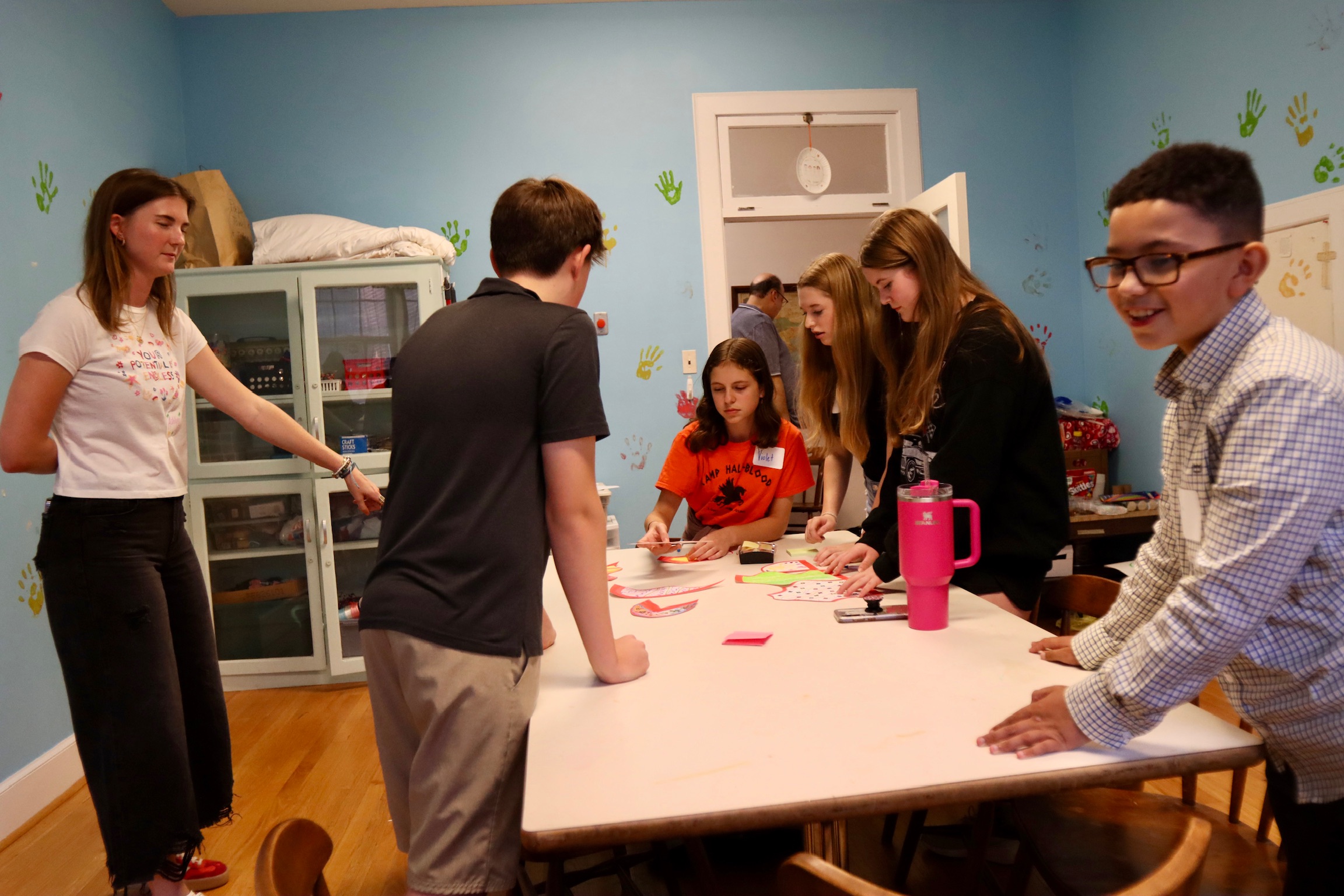
“That was a God moment for me,” says Rhyne. “She told me Kyrie was the reason she went into teacher education. For her to come and hang out, and for Kyrie to be there — for me to witness that — it was a full-circle moment.”
Moments like that are exactly what LYNC leaders hope the program will create; experiences that leave a lasting impression long after the evening ends.
“I really want the kids to take something away each time we meet,” says Rhyne. “I like to ask them, ‘What did you learn today, and what can you carry with you?’”
Rhyne emphasized that being “the church outside of the church” is central to LYNC’s mission, along with encouraging youth to carry those values into the broader community.
To support that goal, weekly meetings are divided by age and developmental stage. LYNC Kids, serving kindergarten through fifth grade, meet Wednesday evenings. Middle school and high school students gather on Sunday evenings, with older youth meeting separately before coming together for fellowship and a shared meal. The program was also intentionally designed to remove barriers to participation; church membership, affiliation or regular attendance are not required.
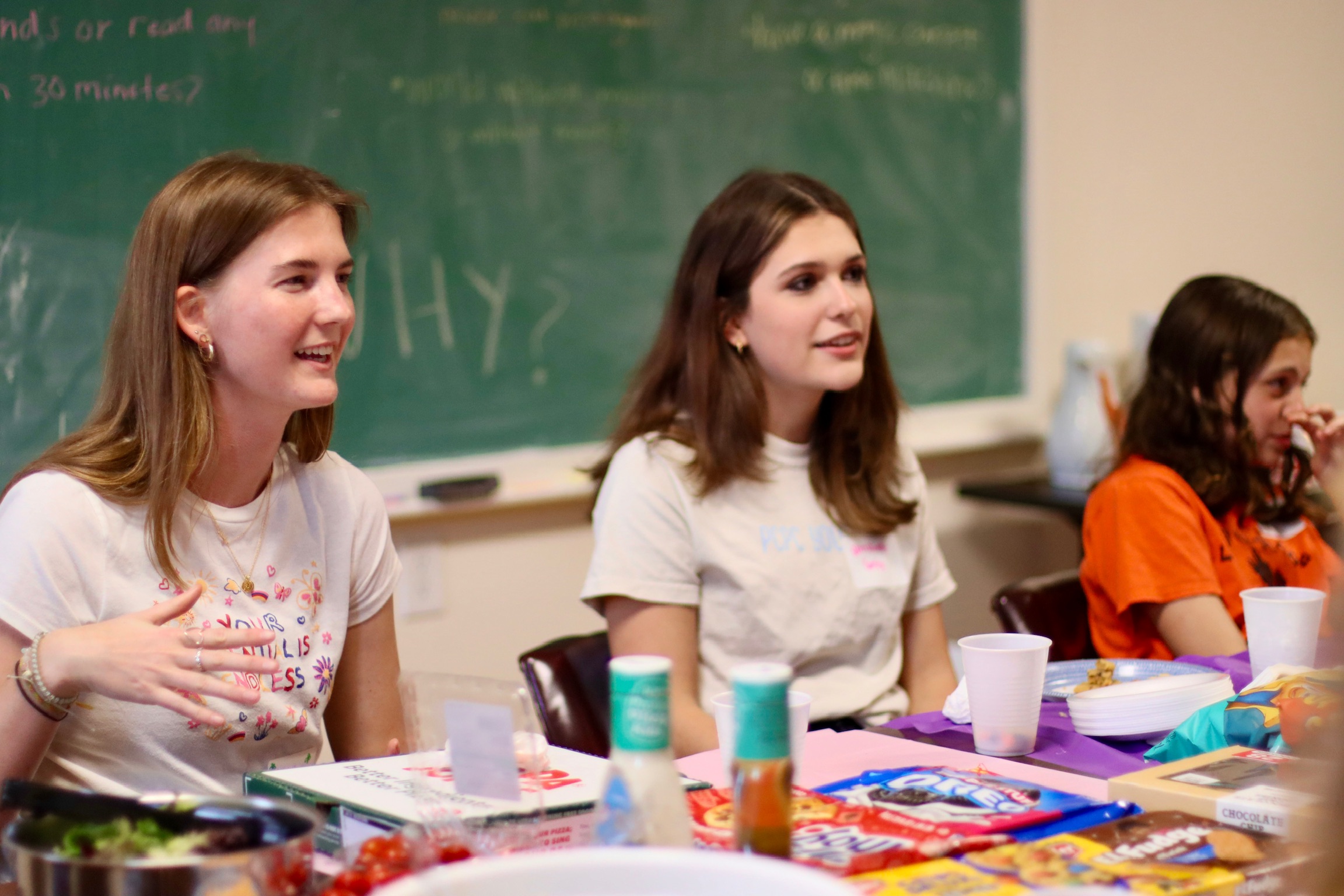 LYNC is open to any youth who wish to attend and to adults interested in volunteering. Volunteers are vetted and trained by LYNC staff and must complete criminal background checks.
Getting involved is simple. Families can attend any advertised event or contact one of the participating churches. LYNC events are promoted on Facebook and Instagram, and Rhyne is available to speak directly with parents who have questions.
“At this age, it’s really important for youth to have a space where they feel comfortable, can hang out with friends, feel the love of God and carry that back into the community,” says Rhyne.
We at Hometown Magazine agree — and wish the entire LYNC team continued success as they highlight yet another reason Lincolnton is a special place to call home.
Rich Green is a musician, writer, and photographer living in Lincolnton N.C.